
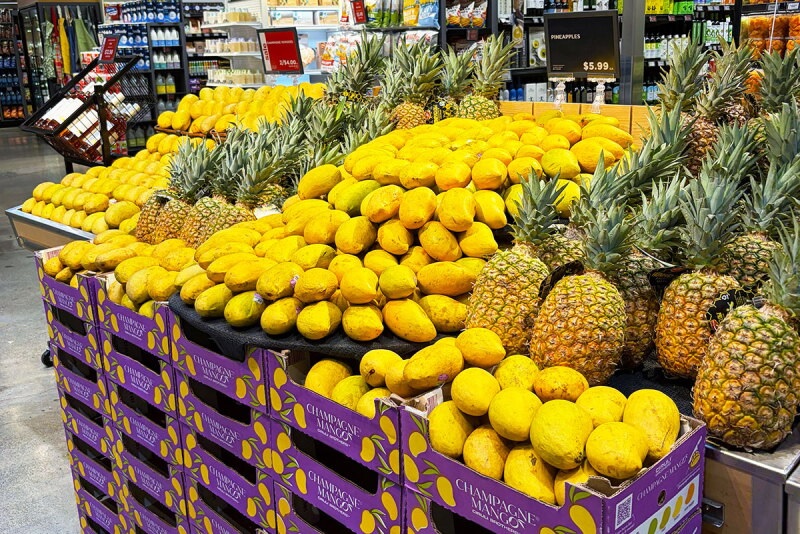
Mango buying starts well before the fruit reaches a shelf, kitchen or wholesale market. Importers and distributors have to think about harvest timing, variety, maturity, carton size, ripening speed, display life and how the fruit will be used once it arrives. A shipment for supermarket display is not the same as fruit for dessert menus, processing or premium gift retail.
For companies working with Thai mango varieties, the commercial decision starts with the variety and the season together. Nam Dok Mai is widely used for export because of its sweetness, aroma and smooth flesh. Mahachanok has a more floral profile and stronger premium positioning. Green mango serves a different market again, especially for salads, pickles and sharper dishes.
Harvest timing affects how buyers plan volume. During stronger supply windows, importers and distributors may have more room to secure fruit for promotions, wholesale orders or foodservice demand. Outside those windows, the same buyer may need to adjust volume, price expectations or product format. The fruit may still be available, but the best option for a customer can change.
Retailers look at mango through display and turnover. Fruit has to arrive in good condition, ripen at the right pace and look consistent enough for shoppers to trust the price. A supermarket may want steady sizing and cartons that support a promotion across several stores. A specialty fruit retailer may focus more on flavour, variety and the story behind the fruit. Both need supply planning, but the buying logic is different.
Chefs look at mango through service. A hotel pastry team, dessert shop or restaurant kitchen needs fruit that works the same way across repeated orders. Ripe Nam Dok Mai may be used for mango sticky rice, plated fruit, smoothies, ice cream, cakes or buffet service. If the fruit arrives too firm, the kitchen has to wait. If it arrives too soft, waste increases and the menu becomes harder to manage.
Season also affects how mango is marketed. In peak periods, retailers can build displays around fresh fruit, while cafes and hotels can use mango as a seasonal feature. When supply becomes less predictable, buyers may shift toward frozen fruit, pulp or shorter menu runs. That is often the better way to keep consistency when fresh fruit quality varies.
Export handling is where the plan either holds or breaks. Mangoes need to be sorted, graded, packed and cooled correctly before they travel. The maturity stage at harvest affects how the fruit arrives, how long it lasts and whether it develops the flavour the buyer expected. Poor handling can weaken even a strong variety.
For exporters, this means coordinating farms, packing teams, cold chain and documents before the customer needs the fruit. For importers, it means ordering with enough detail to avoid vague expectations around size, maturity and ripeness. For chefs and retailers, it means building menus and displays around what the season can actually support.
Mango season shapes the whole commercial path. It influences what gets packed, what gets promoted, what chefs can serve and what customers finally taste.
