
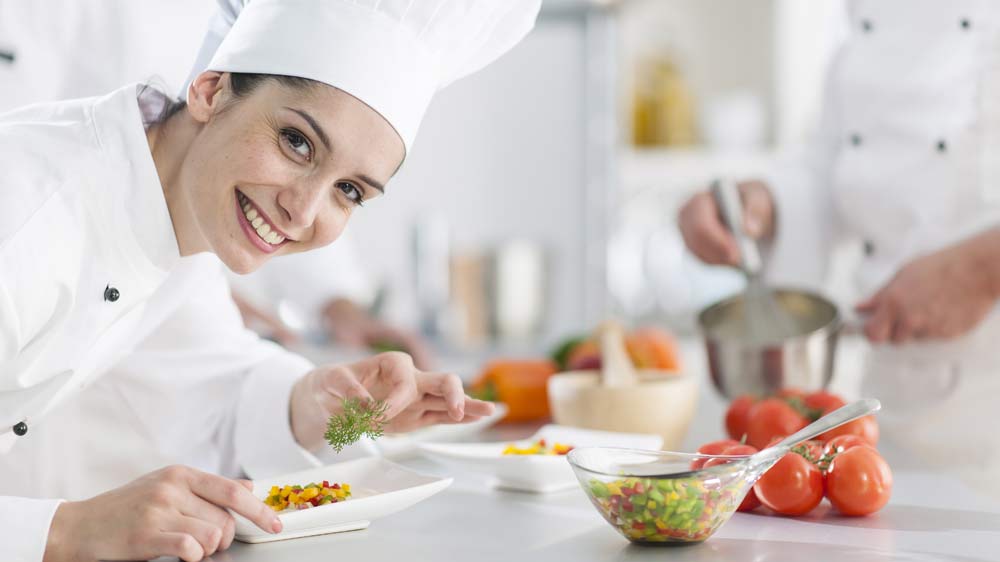
Of all the tools found within a kitchen, the chef knife is arguably the most essential. It is the fundamental instrument utilized in nearly every recipe, serving as the bridge between raw ingredients and a completed meal. Yet, many home cooks approach knife work with a mixture of hesitation and improper technique. Developing exceptional knife skills is not about flashing the lightning-fast speed of a television personality. Instead, it focuses on understanding physical safety, mechanics, and spatial awareness to make cooking faster, safer, and highly enjoyable.
When you master the basic rules of handling a blade, the entire process of meal preparation shifts. Chopping a mountain of root vegetables ceases to be an exhausting chore and transforms into a rhythmic, meditative exercise. Furthermore, uniform cuts ensure that your food cooks evenly, preventing scenarios where small pieces burn while larger chunks remain raw. Learning proper knife mechanics is the single greatest investment you can make to elevate your culinary abilities.
Anatomy of a Chef Knife and Proper Grip
To control a knife effectively, you must understand its structural design. A standard Western chef knife consists of a blade and a handle, but professional cooks break it down further into the tip, the spine, the cutting edge, and the heel. The heel is the broad, rear portion of the blade nearest to the handle, utilized for heavy cutting tasks that require maximum leverage.
The way you hold your knife dictates how much power and control you maintain over the cutting edge. Many home cooks default to a hammer grip, wrapping all four fingers and their thumb tightly around the handle alone. Others extend their index finger completely straight along the spine of the blade. Both of these habits minimize stability and cause rapid wrist fatigue.
The Pinch Grip Technique
The industry standard for gripping a chef knife is the pinch grip. To execute this, place your thumb and the side of your index finger directly onto the metal blade itself, just ahead of the handle where the steel widens. The remaining three fingers curl comfortably around the handle.
By pinching the blade directly, you eliminate the loose hinge point between the handle and the steel. The knife becomes a natural, rigid extension of your hand and forearm, completely preventing the blade from twisting or wobbling sideways when encountering dense materials like butternut squash or sweet potatoes.
The Non-Knife Hand: Mastering the Claw
While managing the hand holding the knife is crucial, your non-knife hand is actually the one most vulnerable to injury. Its primary role is to hold the food steady while guiding the pace of the blade. Leaving your fingers spread flat across an ingredient exposes your fingertips and joints directly to the path of the cutting edge.
Implementing the Claw Grip
To protect your hand completely, you must adopt the claw grip. Curl the fingertips of your guiding hand inward, hiding them completely underneath your knuckles so that they face backward away from the knife. Your hand should resemble a bear claw resting flat on top of the food.
Your thumb acts as an anchor behind the food, pushing it forward toward the blade, while the flat vertical surface of your middle knuckles serves as a physical guide rail for the side of the knife blade. As long as your fingertips remain tucked underneath your knuckles and the blade does not lift above knuckle height, it is physically impossible to cut yourself.
Perfecting the Cutting Motion
Many untrained cooks employ a heavy, vertical chopping motion, slamming the knife straight down onto the cutting board like a paper cutter. This blunt force dulls the edge of the blade rapidly, bruises delicate herbs, and provides very little precision.
The Rolling Circular Stride
A classic Western chef knife features a curved belly near the front of the blade. This curve is intentionally engineered to facilitate a rolling, circular motion.
To execute this fluid motion, keep the front tip of your knife in continuous, gentle contact with the cutting board. Lift the heel of the knife upward and push the blade forward and down through the food in a single smooth arc. Once the cut is complete, pull the knife slightly back, lifting the heel again while keeping the tip anchored, and repeat the cycle. This rolling mechanism maximizes mechanical leverage, requiring significantly less physical strength to glide through tough ingredients.
Standard Culinary Cuts and Shapes
A primary reason recipes call for specific cuts is consistency. When ingredients are sliced to an identical size, they cook at an identical rate, ensuring harmony in the texture of the final dish.
-
Batonnet: This is the foundational starting point for many traditional cuts. It resembles a thick matchstick, measuring roughly two inches long and one-quarter of an inch thick. It is commonly used for raw vegetable platters or as the initial stage for creating cubes.
-
Dice: Dicing involves cutting ingredients into uniform cubes. A large dice measures three-quarters of an inch, a medium dice is one-half of an inch, and a small dice is one-quarter of an inch. Creating a perfect dice requires leveling off the rounded edges of a vegetable first to create a flat, boxy shape.
-
Brunoise: This is an incredibly fine, precise dice measured at roughly one-eighth of an inch. It is typically reserved for fine aromatic bases, elegant garnishes, or sophisticated restaurant sauces where large chunks of vegetables would disrupt the texture.
-
Chiffonade: This specialized technique is used exclusively for leafy greens and fresh herbs like basil, sage, or mint. To perform a chiffonade, stack the leaves neatly on top of one another, roll them tightly into a cigar-like cylinder, and slice crosswise into thin ribbons.
Workplace Layout and Knife Care
An efficient cook maintains a highly organized cutting station. Clear your counter of unnecessary clutter and arrange your space logically. Position your cutting board directly in front of you. Place your un-prepped ingredients on one side of the board, your clear prep bowls on the opposite side, and a trash bowl near the top to catch skins, roots, and trim immediately.
Never Put a Knife in the Dishwasher
The harsh environment of a residential dishwasher is catastrophic for high-quality knives. The intense heat, prolonged moisture, and aggressive detergents can warp wooden handles, corrode stainless steel, and cause the edge of the blade to bang against plastic racks, instantly dulling the fine cutting edge. Always hand wash your knife with warm soapy water immediately after use, dry it thoroughly with a clean towel, and store it safely in a wooden block or on a magnetic strip.
Frequently Asked Questions
Why does my hand get tired or cramped so quickly when I chop vegetables?
Hand fatigue almost always stems from using an incorrect hammer grip or gripping the handle with excessive physical tension. When you employ the proper pinch grip, the weight of the knife and the forearm do the mechanical work, allowing your hand muscles to remain relaxed. If your grip remains tight, you are fighting against the tool rather than letting it glide.
What is the difference between honing a knife and sharpening a knife?
Sharpening involves using a coarse abrasive whetstone to physically grind away microscopic layers of steel, creating a brand-new, razor-sharp edge on a dull blade. Honing, which is performed using a long metal steel rod, does not remove metal. Instead, it pushes the microscopic, curled-over teeth of an already sharp blade back into perfect alignment, maintaining its cutting efficiency between heavy uses.
How do I safely cut round, rolling vegetables like onions, potatoes, or squash?
Never attempt to slice a vegetable while it is rolling unpredictably around your cutting board. The first action you should take with any spherical ingredient is to slice a small, shallow piece off one side to create a completely flat surface. Flip the vegetable down onto that flat side, anchoring it securely to the board before proceeding with your primary cuts.
What type of cutting board is safest for my knife blades?
Wooden cutting boards, particularly end-grain wood, or high-quality plastic boards are the safest options for preserving your knife edge. Wood fibers and soft plastics naturally yield under the pressure of a blade, preventing the edge from folding over. Avoid cutting boards made of glass, marble, slate, or ceramic, as these exceptionally hard surfaces will flatten and ruin a sharp blade instantly on the very first strike.
How often should a home cook sharpen their primary chef knife?
For an average home cook who prepares meals daily, a thorough sharpening every three to six months is generally sufficient to keep the blade in prime condition. However, you should utilize a honing steel frequently—ideally before every major cooking session—to keep that edge aligned and performing beautifully between those deeper sharpening intervals.
What should I do if my knife slips and starts to fall off the counter?
If a knife falls from your counter or cutting board, your immediate instinct must be to step backward and drop your hands completely to your sides. Never, under any circumstances, attempt to catch a falling knife in mid-air. A dropped knife can easily be replaced or repaired, but attempting to grab a tumbling blade presents an extreme risk of severe lacerations to your fingers and hands.
