
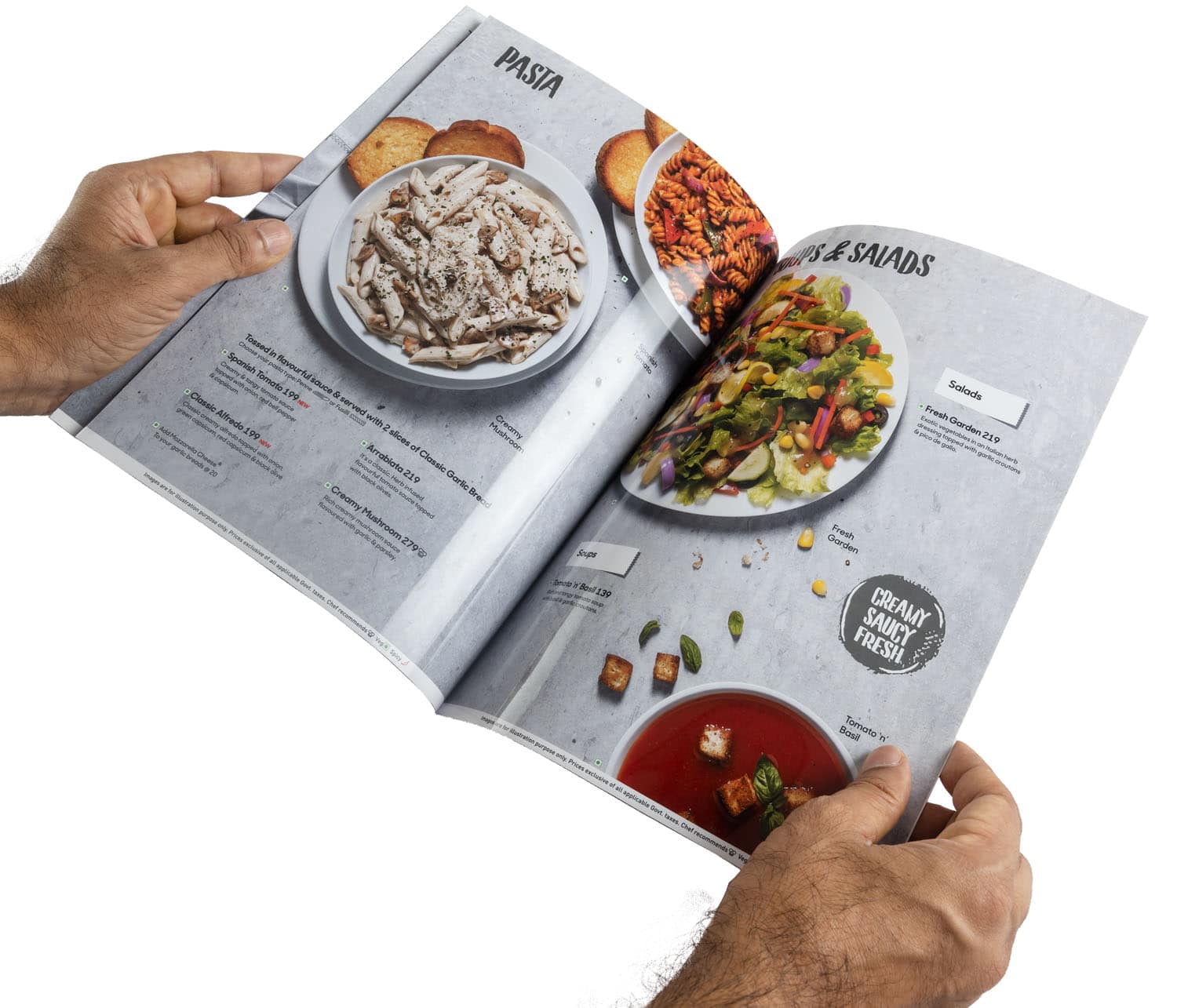
A restaurant menu is far more than a simple list of dishes and prices printed on a piece of paper. It is your primary sales tool, a silent salesman, and the structural backbone of your entire business marketing strategy. When a guest sits down at a table, they look at your menu for an average of just under two minutes. Within that brief window of time, the visual layout, structural organization, and psychological framing of your menu will entirely dictate what they decide to order and how much money they choose to spend.
Designing an effective menu is a precise science known in the food service industry as menu engineering. It combines consumer psychology, graphic design, data analysis, and culinary strategy to subtly guide a diner’s eyes toward your most profitable items. By shifting away from random list-making and implementing strategic layout adjustments, independent restaurants can systematically increase their overall profitability without raising prices or compromising food quality.
The Core Concept of Menu Engineering
At the absolute center of profit-driven design is a deep understanding of food cost metrics and product popularity. Restaurants must break down their entire offerings by calculating the exact food cost percentage and gross contribution margin for every single dish.
Categorizing Your Menu Matrix
Once your financial metrics are finalized, every item on your current menu will automatically fall into one of four distinct categories based on a standard performance matrix:
-
Stars: High profitability and high popularity. These are your ideal dishes. They are highly efficient to produce, well-received by guests, and pull in maximum revenue. They deserve the most prominent real estate on your page.
-
Plowhorses: Low profitability but high popularity. These are your foundational crowd-pleasers, such as a basic cheeseburger or a classic pasta dish. Guests expect them, but your profit margins are thin due to high ingredient costs. Your goal should be to subtly re-engineer these dishes to lower costs or pair them with high-margin sides.
-
Puzzles: High profitability but low popularity. These are hidden gems that net a massive return for your kitchen, but for some reason, guests rarely order them. They often suffer from poor placement, uninspired descriptions, or confusing names.
-
Dogs: Low profitability and low popularity. These items are dead weight, taking up valuable space, complicating kitchen prep, and slowing down table turnover. They should be aggressively cut from the menu immediately.
Visual Real Estate and Eye Tracking Psychology
When a guest opens a folded menu, their eyes do not scan the text sequentially from top to bottom like a book. Instead, human eyes move in a predictable path known as the Golden Triangle.
The Golden Triangle Pattern
Studies in consumer eye-tracking show that when looking at a standard three-panel menu, a diner’s gaze first lands directly in the center of the page. From there, it jumps upward to the top right corner, before sweeping across to the top left corner.
To capitalize on this subconscious mental loop, you must position your high-margin Star items or your overlooked Puzzle items directly within these three high-priority zones. Placing your most profitable steak or custom seafood dish at the top right ensures it receives maximum visual exposure during those critical first few seconds of decision-making.
The Power of Isolation and Boundaries
The human brain naturally gravitates toward elements that look different from their surroundings. If you draw a thin, elegant border or box around a single dish, you create a point of visual isolation. This box instantly draws attention, making the item inside look highly prestigious or exclusive.
However, this tactic must be used sparingly. If you put five or six boxes on a single page, you create visual clutter, rendering the technique completely useless. Limit yourself to one or two highlighted items per section.
Strategic Pricing Tactics
The way you present the cost of a meal can trigger a subtle psychological barrier known as the pain of paying. The goal of menu pricing design is to minimize this psychological friction, keeping the diner focused entirely on the culinary experience rather than the financial transaction.
Drop the Currency Symbols
One of the most effective pricing strategies is to remove the dollar sign from your entire menu. Do not print a dish as $24.00; instead, print it simply as 24.
The presence of a currency symbol acts as a direct psychological trigger, constantly reminding the guest’s brain of real-world financial loss. Removing the symbol softens the impact of the price, allowing the customer to view the number as a neutral score or value metric rather than an active charge.
Avoid Price Columns and Trailing Dots
Never align your prices into a neat, vertical column on the right side of the page, and avoid using long rows of periods or dots connecting the dish name to the price.
When prices are aligned in a straight column, you invite guests to scan down the page to find the lowest number, encouraging them to base their final choice entirely on cost rather than desire. Instead, tuck the price quietly at the end of your item description, using the exact same font style and size as the body text so that it blends in naturally.
Crafting High-Impact Culinary Descriptions
A compelling description can increase individual item sales by up to twenty-seven percent. Your text should paint a vivid sensory picture that justifies the premium cost of the dish.
Sensory vs. Generic Language
Avoid empty, generic adjectives like delicious, excellent, or homemade. These words provide no real information and are often ignored by consumers as corporate fluff.
Instead, opt for vivid, specific sensory descriptors that explain the physical texture, sourcing, or precise preparation method of the food. Words like oak-fired, slow-braised, crisp, garden-fresh, or hand-rolled create distinct expectations of artisan craftsmanship and high value.
Leveraging Geographic Sourcing
Mentioning the specific origin of an ingredient instantly boosts its perceived quality. For example, changing a description from blue cheese to artisanal Point Reyes blue cheese or from wild salmon to copper river wild salmon makes the meal feel rare and exclusive, allowing you to command a significantly higher price margin.
Operational Efficiency and Item Limits
A massive menu with dozens of choices is a major operational hazard. It creates a psychological phenomenon known as choice overload, where guests become overwhelmed by options and default to a basic, low-margin dish they are already familiar with.
The Magic Number of Options
To keep operations smooth and guest satisfaction high, restrict your offerings. The sweet spot for an optimized menu is roughly seven to eight individual items per category, such as seven appetizers, seven entrees, and seven desserts. This provides enough diversity to appeal to different tastes without slowing down table decision times or overwhelming your kitchen staff with excessive inventory.
Frequently Asked Questions
What is price anchoring and how can a restaurant use it effectively?
Price anchoring is a psychological strategy where you position an exceptionally expensive item at the very top of a menu section. For instance, placing a premium 95-dollar dry-aged steak next to a 38-dollar roast chicken. Even if the majority of your guests never order the expensive steak, its presence makes the surrounding 38-dollar entrees look like an incredible value by comparison, encouraging guests to spend more than they originally intended.
How often should an active restaurant update or redesign its menu?
An independent restaurant should perform a comprehensive financial audit of its menu performance every six months. A full visual redesign should happen at least once a year. Regular updates allow you to respond to changing seasonal ingredient costs, remove low-performing Dogs, adjust pricing to maintain healthy profit margins, and introduce fresh culinary trends.
Should a dessert menu be printed on the main menu or kept separate?
Dessert menus should always be kept completely separate from the main dinner menu. If guests see your dessert choices at the very beginning of their meal, they are far more likely to skip appetizers or modify their entree orders to save room or budget for sweet items. Presenting a dedicated dessert menu after the main plates are cleared creates a brand-new sensory decision point, driving impulse buys.
Is it better to list ingredients in a description or write a narrative?
The ideal format is a hybrid approach that prioritizes clarity. Start with a brief sensory narrative focusing on the preparation technique, followed by a list of key premium ingredients. Avoid listing basic elements like salt, pepper, or water. Keep descriptions concise, aiming for two to three lines of text that highlight the unique textures and flavor profiles of the dish.
How does typography and font selection influence restaurant consumer spending?
Typography plays a massive role in setting brand perception and expectations of cost. Clean, minimalist sans-serif fonts suggest modern efficiency and reasonable pricing, making them ideal for casual lunch spots or cafes. Conversely, elegant, spacious serif fonts or classical script accents communicate luxury and traditional culinary prestige, priming fine-dining guests to accept higher price points.
What color palettes are known to drive food sales on a physical menu?
Warm, organic tones like rich burgundy, deep terracotta, amber, and olive green are highly effective because they are naturally associated with fresh food and comfort, subtly stimulating the appetite. Avoid using cold, bright neon colors or heavy washes of primary blue, as blue is a natural appetite suppressant that rarely appears in fresh, savory ingredients.
