
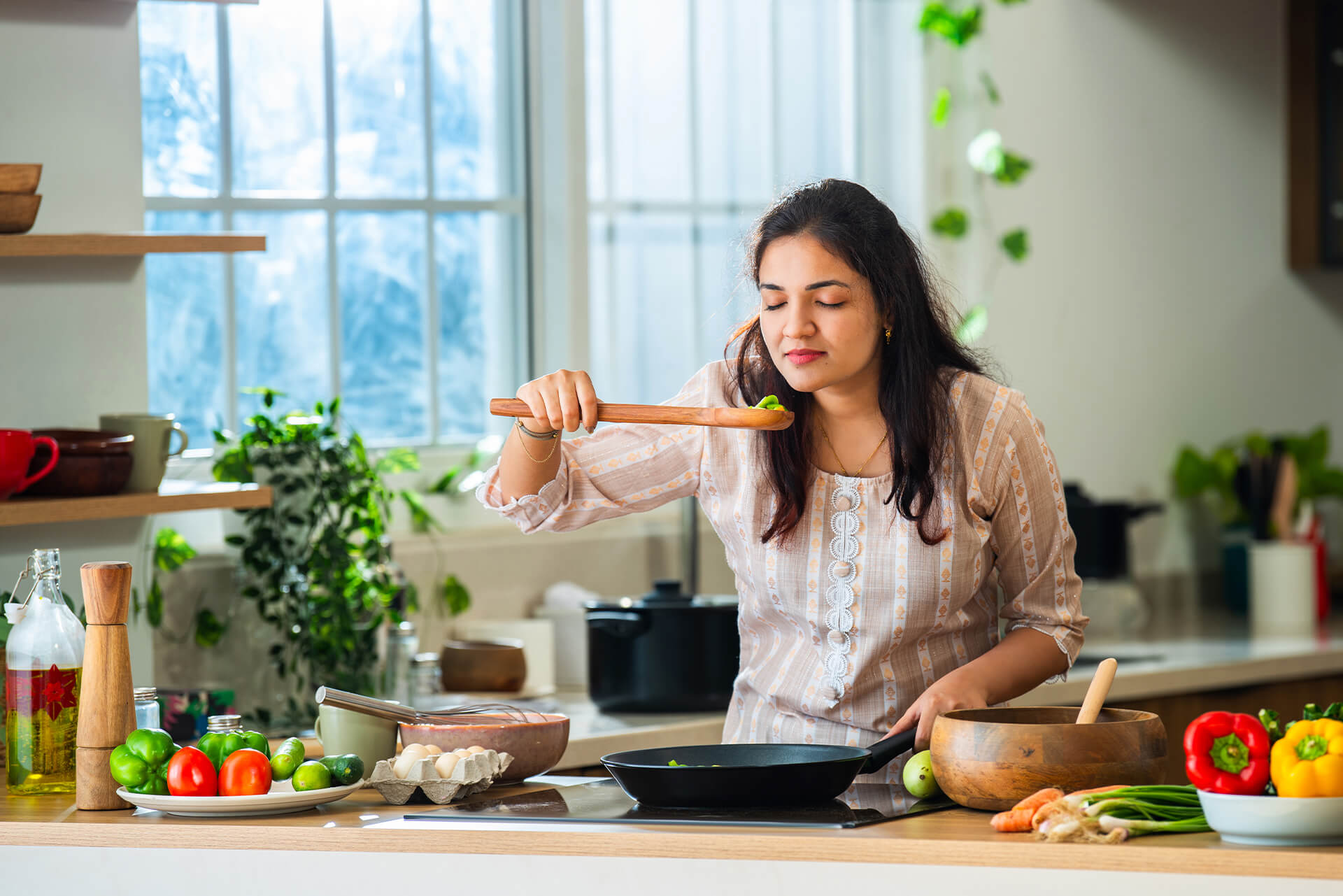
The gap between a home cook and a professional chef is not defined by expensive culinary school degrees or high-end luxury appliances. Instead, it is defined by a specific set of habits, systems, and fundamental techniques. In a commercial restaurant kitchen, speed, consistency, and precision are the structural pillars of survival. Line chefs must produce hundreds of identical, high-quality plates under extreme time constraints and intense pressure.
To achieve this level of efficiency, the culinary industry has developed refined workflows over generations. When you bring these professional strategies into your home kitchen, cooking stops feeling like a chaotic, stressful chore and transforms into a streamlined, highly creative process. By understanding how the pros manage their space, control heat, and build complex flavors, you can consistently produce restaurant-quality meals on an ordinary weeknight.
The Philosophy of Mise en Place
The absolute most critical concept in all of professional cooking is mise en place, a French culinary term that translates directly to everything in its place. In a professional kitchen, this is treated as a core philosophy rather than a casual suggestion.
Before a burner is ever ignited, a chef ensures that every single ingredient is washed, peeled, chopped, measured, and organized into individual containers within arm’s reach of their workstation. All necessary tools, such as tongs, tasting spoons, side towels, and plating dishes, are positioned systematically.
Preventing Burnout and Mistakes
Home cooks frequently make the mistake of chopping vegetables while their garlic is already sizzling in a hot pan. This inevitably leads to a frantic race against the clock, resulting in scorched aromatics, overcooked proteins, and a cluttered, stressful workspace. By completing all your knife work and prep work ahead of time, you can devote one hundred percent of your cognitive attention to active heat management, pan control, and seasoning.
Knife Efficiency and Workspace Maintenance
A sharp knife is a chef’s primary extension of their hand. Professional kitchens prioritize knife maintenance and workspace geometry to maximize physical safety and cutting speed.
Keeping It Sharp
A dull knife is far more dangerous than an incredibly sharp one. When a blade is dull, it requires excessive downward force to slice through tough materials, increasing the likelihood that the knife will slip off a rounded surface, like an onion or tomato, and strike your fingers. Investing in a high-quality whetstone or using a professional sharpening service ensures your blade cuts effortlessly.
Securing Your Cutting Board
A sliding cutting board is a major hazard that ruins your knife accuracy. Professional line cooks always place a damp paper towel or a thin, wet kitchen rag directly underneath their wood or plastic cutting boards to lock them firmly to the countertop.
The Bench Scraper Strategy
Never use the sharp edge of your chef’s knife to scrape chopped ingredients off your cutting board and into a pan. This scraping action misaligns the delicate edge of the blade, dulling it rapidly. Instead, use a stainless steel bench scraper to lift and transport food, or flip your knife over and use the dull spine of the blade.
Mastering Heat and Fluid Motion
One of the biggest differences between home cooking and restaurant cooking is the courage to use high heat and the patience to let the pan do its work.
Heat Your Pan Before Adding Oil
Professional cooks always heat their dry pan over a flame before adding any oil. This sequence is crucial. On a microscopic level, even smooth stainless steel or cast iron surfaces are filled with tiny pits and fissures. When a pan is heated, the metal expands and these imperfections close up. Adding oil to a preheated pan creates a perfectly smooth, uniform barrier that prevents lean proteins from sticking.
The Power of Searing
True flavor development relies on the Maillard reaction, a complex chemical process where amino acids and reducing sugars react under high heat to create hundreds of new flavor compounds and a deep brown crust. If you overcrowd your pan with too much meat or wet vegetables, moisture escapes and traps steam in the pan. Instead of searing, your food boils in its own juices, turning gray and spongy. Cook in small, organized batches to ensure deep caramelization.
Seasoning and Palate Development
Professional food tastes vibrant because chefs understand that seasoning is a dynamic process that happens at every stage of cooking, not just a final sprinkle at the dinner table.
Layering Salt Throughout the Process
Salt does not merely make food taste salty; it acts as a flavor magnifier by drawing out moisture and intensifying the inherent sugars and volatile compounds within ingredients. If you only salt a dish at the very end of cooking, the salt sits on top of the food, creating a sharp, one-dimensional harshness. If you salt your proteins, grains, and vegetables lightly at every step of the cooking process, the mineral penetrates deeply, resulting in a cohesive, well-rounded flavor profile.
Balancing with Acid
When a dish tastes heavy, flat, or slightly muted, home cooks often reach for more salt. However, more often than not, the dish is actually suffering from a lack of acid. A splash of fresh lemon juice, a drizzle of red wine vinegar, or a small spoonful of pickled juice can instantly brighten a heavy sauce, balance rich fats, and wake up a dull soup.
Essential Restaurant Workflows for Home Use
| Workflow Concept | Professional Application | Home Kitchen Benefit |
| Deglazing | Pouring liquid into a hot pan after cooking meat to dissolve caramelized bits. | Creates instant, deeply flavorful pan sauces without extra ingredients. |
| Carryover Cooking | Removing proteins from heat just before they reach their target temperature. | Prevents steaks, chicken breasts, and pork chops from drying out during resting. |
| Tasting Constantly | Dipping dedicated clean spoons into sauces and stews at every stage. | Catches seasoning imbalances before the dish is served to guests. |
| Cleaning as You Go | Wiping down counters and washing bowls during brief cooking lulls. | Eliminates a mountain of daunting dishes at the end of the meal. |
Frequently Asked Questions
Why do professional chefs prefer kosher salt over standard iodized table salt?
Kosher salt has much larger, coarser grains than fine table salt. This physical structure makes it significantly easier to feel the crystals between your fingertips, allowing for precise tactile control when seasoning meat and vegetables from a height. Additionally, standard table salt contains anti-caking agents and iodine, which can introduce a subtle metallic aftertaste to delicate dishes.
What is carryover cooking and how does it affect my meat at home?
Carryover cooking refers to the phenomenon where food continues to retain heat and cook even after it has been completely removed from a hot stove or oven. A large roast or thick steak can easily rise an additional five to ten degrees Fahrenheit while resting on a cutting board. To avoid overcooking, professional chefs pull their meat off the heat source just shy of their ultimate target temperature.
How do restaurant chefs get their pan sauces to look so glossy and thick?
The secret to a luxurious, restaurant-quality pan sauce is a technique called monter au beurre, which means lifting with butter. After reducing a liquid like stock or wine in a pan, chefs turn off the direct flame and vigorously whisk in a few pats of cold, unsalted butter. The rapid whisking emulsifies the melting milk fats into the liquid, creating a thick, shiny glaze that clings to food.
Why do my sautéed vegetables turn out soggy instead of crisp-tender?
Soggy vegetables occur when the pan temperature drops too low or when the pan is overcrowded. When a vast quantity of cold vegetables is dumped into a small pan simultaneously, it releases moisture rapidly. If the heat cannot evaporate that moisture instantly, the vegetables begin to steam rather than sauté. For optimal texture, cook in smaller batches over high heat.
What does it mean to deglaze a pan and why should I do it?
When you sear meats or vegetables, caramelized proteins and sugars stick to the bottom of the pan, forming a dark, flavorful layer known as fond. Deglazing involves pouring a cold liquid, such as wine, stock, or water, into the hot pan while scraping the bottom with a wooden spoon. This dissolves the fond back into the liquid, serving as the rich foundation for an instant pan sauce.
Why is resting meat after cooking so heavily emphasized by chefs?
When meat is exposed to intense heat, the muscle fibers tighten up and force internal moisture toward the cooler center of the cut. If you slice into a steak immediately after cooking, those pressurized juices will spill out onto your cutting board, leaving the meat dry. Allowing the meat to rest quietly for five to ten minutes lets the muscle fibers relax, allowing the savory juices to redistribute evenly throughout the entire cut.
