
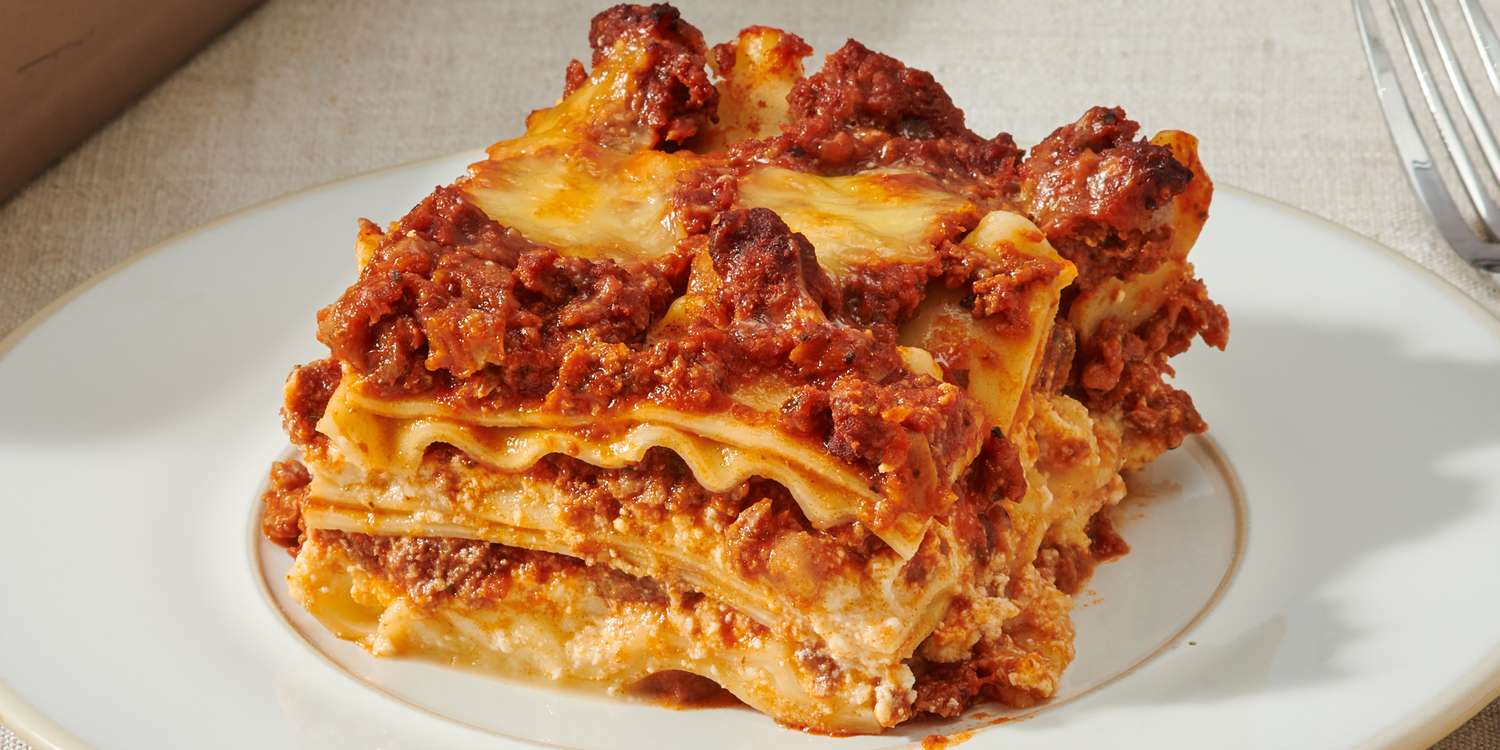
Few dishes in the culinary world carry the comfort, prestige, and cross-cultural adoration of a beautifully baked lasagna. To many home cooks, lasagna represents a heavy casserole dish packed with dense layers of store-bought noodles, tubs of grain-textured ricotta cheese, and clumps of rubbery mozzarella. However, the authentic Italian masterpiece born in the northern region of Emilia-Romagna, known traditionally as Lasagna alla Bolognese, is an entirely different experience.
An authentic Italian lasagna is an exercise in elegance, lightness, and delicate structural balance. Instead of a dense block of cheese and tomato paste, a traditional lasagna features whisper-thin sheets of fresh egg pasta layered with a velvety, slow-simmered meat ragu and a creamy, silk-like bechamel sauce. The final dish is incredibly tender, structured, and luxurious without feeling uncomfortably heavy. Recreating this timeless restaurant-quality classic at home requires patience and an appreciation for foundational culinary techniques.
Deconstructing the Three Structural Pillars
To successfully execute a flawless Italian lasagna, you must view the recipe as the intentional convergence of three distinct, carefully prepared components: the ragu, the bechamel, and the pasta sheets.
The True Bolognese Ragu
The heart of the dish is the meat sauce, or ragu. A common mistake is using a bright, acidic tomato sauce containing heavily browned ground beef. An authentic Bolognese ragu is actually a meat-forward sauce where tomatoes play a supporting, balancing role. It begins with a soffritto—a finely minced aromatic base of sweet yellow onion, crisp celery, and peeled carrots sautéed gently in olive oil or butter.
The meat combination traditionally utilizes a dynamic blend of lean ground beef and fatty ground pork or pancetta. Rather than frying the meat rapidly over high heat, it is cooked gently to preserve its tenderness. The crucial step involves simmering the meats with dry white or red wine until it fully evaporates, followed by a generous splash of whole milk. The lactic acid in the milk breaks down the tough proteins in the meat, ensuring a exceptionally tender texture. Only then is a small amount of tomato puree or paste added before the sauce is left to simmer low and slow for a minimum of two to three hours.
The Velvety Bechamel Sauce
Authentic Italian lasagna contains absolutely no ricotta cheese. Instead, the essential moisture, creaminess, and binding power come from a classic French-style bechamel sauce, known in Italy as besciamella.
This elegant white sauce relies on a perfect mechanical balance of fat, starch, and liquid. Equal parts by weight of unsalted butter and all-purpose flour are whisked together over medium heat to create a smooth paste called a roux. Warm whole milk is then added gradually to the roux while whisking vigorously to avoid any lumps. The sauce is simmered gently until it achieves a texture thick enough to coat the back of a wooden spoon. A pinch of sea salt, white pepper, and a grating of fresh whole nutmeg provide the subtle fragrance that balances the richness of the dairy.
The Delicate Pasta Sheets
While dry, rigid boxed noodles with ruffled edges are ubiquitous in American supermarkets, they lack the delicate, porous surface texture required to absorb the sauces properly. True Lasagna alla Bolognese utilizes flat, paper-thin sheets of fresh egg pasta, often infused with blanched spinach to create a vibrant green hue known as lasagna verde.
If you do not have the time to roll fresh egg pasta from scratch using soft double-zero flour, look for high-quality, flat oven-ready sheets imported from Italy. These sheets can be layered directly into the pan, where they beautifully absorb the moisture from the hot ragu and bechamel during the baking process.
The Master Ingredient Guide
To assemble a standard nine-by-thirteen-inch baking pan capable of serving eight to ten people generously, organize the following high-quality kitchen components:
For the Slow-Simmered Ragu:
-
1 tablespoon high-quality extra virgin olive oil
-
3 tablespoons unsalted butter
-
1 medium yellow onion, very finely minced
-
1 large carrot, peeled and very finely minced
-
1 rib of celery, very finely minced
-
10 ounces lean ground beef chuck
-
10 ounces ground pork shoulder or mild Italian sausage
-
2 ounces finely chopped pancetta
-
1 cup dry, un-oaked white wine
-
1 cup whole milk
-
2 cups high-quality canned Italian tomato passata or crushed San Marzano tomatoes
-
Fine sea salt and freshly cracked black pepper to taste
For the Creamy Besciamella:
-
4 tablespoons unsalted butter
-
4 tablespoons all-purpose flour
-
3 cups whole milk, gently warmed
-
A generous pinch of freshly grated whole nutmeg
-
Fine sea salt and ground white pepper to taste
For the Assembly:
-
12 to 15 flat, no-boil or fresh lasagna sheets
-
1.5 cups finely grated Parmigiano-Reggiano cheese
The Step-by-Step Architecture of Assembly
Once your ragu has simmered to thick perfection and your bechamel is completely smooth and warm, it is time to build the layers. Precision during assembly ensures that every slice holds its geometric shape beautifully when served.
Frequently Asked Questions
Can I substitute mozzarella cheese or provolone for the Parmigiano-Reggiano?
An authentic Lasagna alla Bolognese does not utilize mozzarella, provolone, or any stringy cheeses within its internal layers. The structural integrity and creaminess come entirely from the emulsified bechamel sauce. Substituting stringy melting cheeses will alter the texture entirely, making the dish greasy and difficult to slice into neat, defined layers. Stick to finely grated aged Parmigiano-Reggiano for the true northern Italian flavor.
Why does my lasagna turn out watery or soupy at the bottom of the pan?
Watery lasagna typically stems from using a meat ragu that has not been reduced sufficiently, or using a wet cheese filler like commercial ricotta which releases vast amounts of moisture under heat. To prevent this issue, ensure your ragu is simmered long enough to evaporate loose water, leaving behind a thick, jam-like meat texture. If you are utilizing fresh homemade pasta sheets, ensure they are thoroughly dried or blanched and patted completely dry with clean kitchen towels before assembly.
How ahead of time can I assemble this lasagna before baking it?
Lasagna is an exceptional make-ahead dish. You can fully assemble the entire lasagna, wrap the pan tightly in plastic wrap, and store it in the refrigerator for up to 24 hours before cooking. When you are ready to bake, remove the plastic wrap, cover the pan with aluminum foil, and add an extra ten minutes to the initial covered baking time to compensate for the cold temperature of the pan coming directly from the fridge.
Is it possible to freeze an assembled lasagna for long-term storage?
Yes, this recipe freezes beautifully either baked or unbaked. To freeze an unbaked lasagna, assemble the layers in a freezer-safe dish, wrap it securely with multiple layers of plastic wrap and aluminum foil, and freeze for up to three months. For optimal results, thaw the lasagna completely overnight in the refrigerator before baking it according to the standard recipe instructions.
Why is wine added to the meat during the ragu cooking process?
Wine plays an essential role in flavor development. The alcohol in dry wine binds with both water and fat molecules, acting as an effective flavor extractor that releases volatile aromatic compounds from the meats and vegetables that water alone cannot dissolve. Simmering the wine until the raw alcohol smell completely evaporates leaves behind a complex, balanced acidity that cuts through the heavy fat of the beef and pork.
What is double-zero flour and why do Italian chefs insist on it for fresh pasta?
Double-zero flour, or farina tipo 00, refers to a specific Italian grading system based on the fineness of the milling process. Double-zero flour is ground until it achieves an incredibly powdery, dust-like consistency. This fine texture allows the flour to hydrate rapidly when mixed with whole eggs, creating an exceptionally smooth, supple dough that can be rolled out into whisper-thin sheets without tearing easily.
