
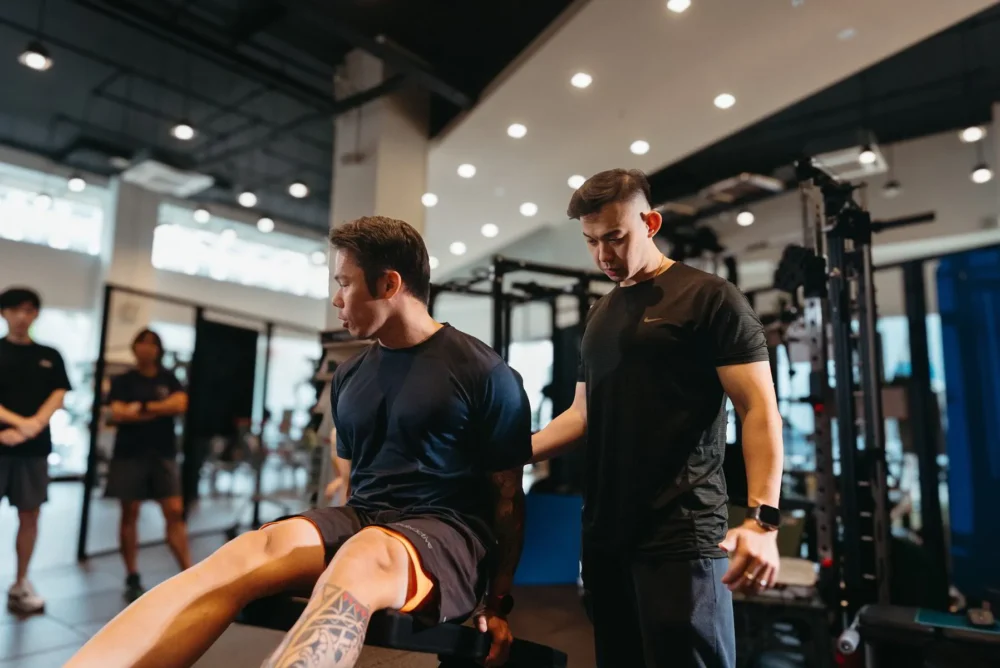
In the journey toward better health, many people focus solely on workouts while overlooking the foundation that fuels performance—nutrition. Exercise shapes your body, but food determines how effectively that transformation happens. In Singapore’s fast-paced lifestyle, balancing hawker meals, long workdays, and fitness goals can be challenging. This is where a professional fitness trainer Singapore steps in, guiding clients beyond the gym and into smarter, sustainable eating habits tailored to their unique physiology and lifestyle.
Why Nutrition Is the Cornerstone of Fitness Success
Nutrition is not just about calorie counting; it’s about fuelling the body with the right nutrients for energy, recovery, and growth. Without proper nutrition, even the best workout plans can fall short. Trainers in Singapore understand this balance deeply—they integrate nutritional guidance into fitness programs so clients see measurable progress without unrealistic restrictions.
In Singapore, where the food culture is rich and diverse, fitness trainers teach clients to work with local cuisine rather than against it. Instead of banning beloved dishes, they focus on smarter substitutions, portion control, and nutrient timing.
The Role of Fitness Trainers in Nutrition Coaching
While fitness trainers are not dietitians, many are educated in nutrition science and use that knowledge to create practical eating strategies. They bridge the gap between food awareness and real-world implementation. Their goal is not to impose diets but to help clients understand how their eating habits affect performance, recovery, and overall health.
Key aspects trainers consider when personalising nutrition:
-
Body Composition Goals: Whether the client wants to gain muscle, lose fat, or maintain fitness.
-
Activity Levels: A trainer adjusts macronutrients based on training frequency and intensity.
-
Metabolic Rate: Determines how efficiently the body converts food into energy.
-
Lifestyle and Occupation: Sedentary office workers require different fuel than active individuals.
-
Cultural Preferences: Trainers consider traditional meals and local food availability for realistic plans.
This holistic approach ensures clients enjoy sustainable results without feeling deprived or overwhelmed.
The Science Behind Nutrient Timing
One of the most powerful concepts trainers teach is nutrient timing—the strategic consumption of specific nutrients before, during, and after workouts. Proper timing maximises energy, supports recovery, and enhances results.
Typical nutrient timing strategies include:
-
Pre-Workout: Carbohydrates and light protein to boost endurance.
-
Post-Workout: Protein and complex carbs to aid muscle repair.
-
Throughout the Day: Balanced meals to stabilise blood sugar and maintain energy.
For example, a client training early in the morning might benefit from a banana and a protein shake pre-session, followed by a balanced breakfast with eggs, oats, and fruit. Trainers adapt these principles to each individual’s schedule and goals.
Making Local Food Work for Fitness
Singapore’s vibrant food culture can make clean eating seem impossible, but expert trainers know how to make it practical. Rather than cutting out hawker meals, they encourage mindful adjustments.
Examples of realistic local meal swaps:
-
Choosing grilled fish soup over creamy laksa for lunch.
-
Opting for brown rice or quinoa instead of white rice at mixed rice stalls.
-
Reducing sweetened drinks and replacing them with unsweetened tea or water.
-
Controlling portions by splitting large hawker portions into two meals.
This approach builds sustainability by allowing clients to enjoy familiar foods while staying aligned with their goals.
Customising Nutrition for Different Fitness Goals
Different fitness objectives require different fuel strategies. Trainers design nutrition plans that align directly with a client’s specific outcomes.
For muscle gain:
-
Increase calorie intake with emphasis on lean protein and complex carbs.
-
Encourage consistent eating to maintain an anabolic (growth) state.
-
Incorporate high-protein snacks between meals.
For fat loss:
-
Prioritise calorie deficit through portion control and nutrient density.
-
Include fibre-rich foods for satiety and digestion.
-
Focus on slow-digesting carbs for sustained energy.
For endurance or performance training:
-
Emphasise glycogen replenishment through balanced carbohydrates.
-
Ensure electrolyte balance through proper hydration.
-
Recommend frequent, small meals to sustain long sessions.
By pairing training intensity with tailored nutrition, trainers help clients achieve results faster while maintaining energy and mood stability.
Educating Clients About Nutrition Myths
With so much misinformation online, trainers play an important role in dispelling common myths. Many clients believe they need to cut all carbs, eat only salads, or consume protein shakes every few hours. Trainers guide them toward balance rather than restriction.
Common myths clarified by trainers:
-
Myth: Carbs make you fat.
Fact: Quality carbs are essential for energy and performance. -
Myth: You need supplements to get results.
Fact: Supplements can help but should not replace real food. -
Myth: Skipping meals speeds up fat loss.
Fact: It slows metabolism and leads to fatigue or overeating later. -
Myth: Eating after 8 PM causes weight gain.
Fact: Total calorie intake matters more than timing.
Trainers use data, education, and practical examples to shift clients’ perspectives from diet culture to evidence-based nutrition.
Balancing Nutrition with Busy Schedules
Time is one of the biggest obstacles for working adults in Singapore. Trainers provide solutions that fit busy lifestyles—quick recipes, meal prep ideas, and realistic eating plans for those constantly on the move.
Examples of practical habits trainers recommend:
-
Preparing meals in advance for the workweek.
-
Carrying portable snacks like nuts, fruit, or protein bars.
-
Scheduling meal times alongside workout sessions.
-
Choosing healthier takeaway options near the workplace.
These strategies prevent impulsive eating and ensure that nutrition supports, rather than sabotages, training efforts.
The Mindful Eating Connection
Modern trainers increasingly promote mindful eating—a practice that focuses on awareness and intention while eating. It helps clients reconnect with hunger cues, reduce emotional eating, and improve digestion. Trainers may encourage slowing down meals, savouring each bite, and recognising fullness cues instead of eating out of habit or stress.
Mindful eating complements physical training by strengthening discipline and awareness, key qualities that enhance overall wellness.
Integrating Nutrition Tracking and Technology
Technology has simplified nutrition management. Trainers often use mobile apps and wearables to track clients’ calorie intake, hydration levels, and nutrient balance. AI-based tools can even suggest daily adjustments based on activity levels.
These digital systems make accountability easier. Trainers can monitor progress remotely, adjust meal plans in real time, and motivate clients through visual data showing improvements in body composition or performance.
The Role of True Fitness in Holistic Training
Modern fitness is no longer about isolated workouts—it’s about combining movement, nutrition, and mindset. True Fitness Singapore exemplifies this approach, offering clients not just training sessions but complete wellness solutions. Trainers at True Fitness emphasise balanced nutrition, personalised workouts, and education so that clients can maintain results long after leaving the gym.
FAQs
Q1: Do fitness trainers in Singapore provide diet plans?
Most trainers provide general nutritional guidance and customised recommendations, but detailed diet plans are usually developed in collaboration with nutritionists.
Q2: Can I still eat local food while training?
Yes. Trainers help adapt traditional meals like nasi lemak or char kway teow into healthier, portion-controlled options.
Q3: How important is protein for fitness?
Protein supports muscle repair and growth. Trainers recommend natural sources like chicken, eggs, tofu, fish, and legumes rather than relying solely on supplements.
Q4: How does nutrition affect recovery?
Proper nutrition replenishes energy stores, repairs tissues, and reduces inflammation, leading to faster recovery and better performance.
Q5: Should I track calories?
It depends. Some clients find tracking useful for awareness, while others prefer mindful portion control guided by their trainer’s recommendations.
Q6: What’s the best diet for fat loss?
There is no single best diet. The most effective plan is one that creates a manageable calorie deficit while providing balanced nutrients and long-term adherence.
Q7: Can I enjoy cheat meals?
Yes, in moderation. Trainers encourage flexibility to prevent burnout and help clients sustain healthy eating habits long term.
By understanding the connection between food, movement, and mindset, a fitness trainer Singapore helps clients turn nutrition into an ally rather than an obstacle. With realistic strategies, localised food advice, and education, trainers empower Singaporeans to achieve lasting fitness results that go beyond the gym and into everyday life.
