
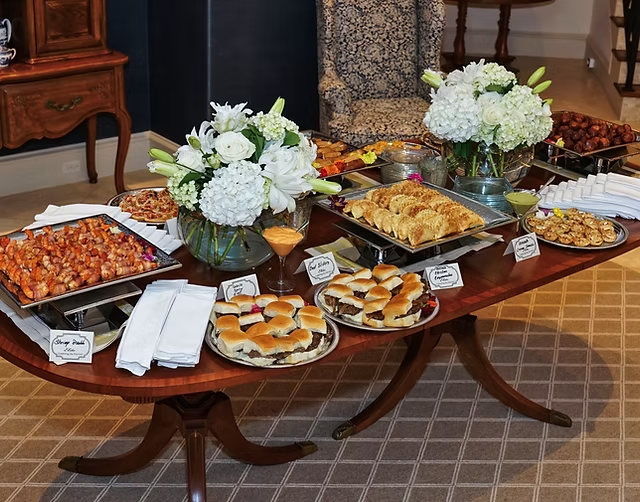
Food is more than sustenance; it is the heartbeat of any gathering. Long after the decorations are taken down and the music fades, your guests will remember what they ate. Crafting a flawless menu for a major event—whether it is a milestone wedding, a high-stakes corporate gala, or an elegant anniversary celebration—demands careful strategy. It requires a delicate balance of culinary creativity, precise timing, logistics management, and deep empathy for your guests.
Planning a successful large-scale menu requires moving beyond personal preferences to build a cohesive dining experience. The goal is to design a culinary narrative that flows effortlessly from the first passed appetizer to the final late-night bite. This guide outlines the essential steps to design, refine, and execute an unforgettable menu that satisfies diverse palates and keeps your event running smoothly.
Know Your Audience and Event Dynamics
The foundation of any exceptional menu is a clear understanding of who is attending and why they are gathering. Different events dictate entirely different culinary expectations and physical setups.
Demographics and Attendee Profile
Consider the age range, cultural background, and professional profile of your guest list. A corporate conference attended by tech executives may call for light, clean, brain-boosting foods that prevent mid-afternoon sluggishness. Conversely, a multi-generational family reunion or formal wedding often benefits from a mix of timeless classics and modern, approachable twists.
Event Timeline and Format
The structure of your event plays a massive role in menu design. If your schedule is tightly packed with speeches, awards, or presentations, a formal three-course seated dinner can slow down the momentum. In this scenario, a synchronized plated meal or an elegant, upscale buffet ensures everyone is fed within a strict timeframe. If the goal of the evening is networking and high-energy socialization, a heavy hors d’oeuvres format with interactive food stations encourages movement and conversation.
Balancing the Menu Structure
A successful menu offers a journey of flavors, textures, and temperatures. Avoid repetition; if you serve a creamy mushroom tartlet during cocktail hour, do not offer a cream of mushroom soup as the first course.
Designing the Flavor Progression
Begin with light, high-acid options during the cocktail hour to stimulate the appetite. Citrus-cured ceviche, crisp vegetable crudos, or goat cheese crostini wake up the palate. As guests transition to the main dinner, the flavors should deepen. Move from crisp salads or warm, light broths to hearty proteins accompanied by rich, savory sauces.
Texture and Visual Contrast
We eat with our eyes first. Ensure your plates feature a vibrant contrast of colors and textures. Pair a tender, slow-braised beef short rib with a silky parsnip puree and a crunchy root vegetable slaw. This variety prevents palate fatigue and makes every bite engaging.
Navigating Dietary Restrictions Gracefully
Managing allergies and dietary preferences is no longer an afterthought; it is a core component of modern event hosting. A truly flawless menu makes every single guest feel considered and pampered, rather than treated as an logistical burden.
Proactive Communication
Gather dietary information early during the RSVP process. Ask guests to specify severe allergies, gluten intolerances, vegan or vegetarian preferences, and religious dietary restrictions such as Kosher or Halal needs.
Universal Design Practices
When planning your dishes, work with your caterer to make as many elements as possible naturally free of common allergens. For example, use a vibrant herb oil or a rich reduction sauce instead of a flour-based gravy to keep a dish gluten-free. Ensure your vegetarian or vegan option is just as thoughtfully composed as the primary meat dish. A roasted cauliflower steak with a rich romesco sauce and ancient grains feels luxurious, whereas a plain plate of steamed vegetables can make a guest feel neglected.
Mastering the Logistics and Execution
A brilliant menu concept on paper can easily fall apart in the kitchen if logistics are ignored. Your menu must be tailored to the physical capabilities of your venue and your catering team.
Venue Equipment and Kitchen Constraints
Before finalizing any intricate dishes, audit the venue kitchen. Does the facility have working ovens, commercial refrigeration, and plating space? If you are hosting an outdoor tented event with a temporary field kitchen, avoid dishes that require delicate, last-minute torching, complex hot emulsions, or highly sensitive souffles. Choose items that hold temperature beautifully and can be plated efficiently at scale.
Staffing Ratios and Service Styles
The style of service dictates your staffing needs. A plated dinner requires a high ratio of servers to guests to ensure food arrives hot and tables are cleared simultaneously. Food stations and buffets require fewer servers but demand excellent crowd-flow management to avoid long, frustrating lines.
Step-by-Step Menu Planning Checklist
To keep your planning organized, utilize this structured timeline framework leading up to the big day:
-
Four to Six Months Out: Establish your overall budget, choose your service style (buffet, plated, or stations), and select your caterer.
-
Three Months Out: Attend a formal tasting. Taste a wide variety of options, take notes on presentation, and finalize the core dishes.
-
One Month Out: Review the final RSVP list, compile all dietary restrictions, and send the exact breakdown of special meals to the kitchen.
-
Two Weeks Out: Finalize the timeline with your caterer, confirming exact times for cocktail hour, main service, and late-night snacks.
Frequently Asked Questions
How many hors d’oeuvres should I allocate per person for a standard cocktail hour?
For a standard one-hour cocktail hour hosted right before a full dinner, plan for 4 to 6 bite-sized pieces per guest. If the event does not include a sit-down dinner and relies solely on hors d’oeuvres for the evening, increase that allocation to 12 to 15 pieces per person spread across a two- to three-hour period, incorporating heavier starch and protein elements.
What is the best way to prevent long lines at a buffet-style event?
To keep lines moving quickly, position the buffet tables away from walls so guests can access both sides simultaneously. Additionally, set up independent stations for specific items, such as a standalone salad station or a carving station, which naturally breaks up the crowd and distributes the foot traffic.
How do I balance a menu when the client wants highly unusual or exotic cuisine?
Incorporate exotic or unique flavors into the cocktail hour or as a complementary side dish rather than making it the centerpiece of the main course. This allows adventurous guests to experience the unique cuisine while ensuring conservative eaters still have an accessible, satisfying main protein option.
Should children at the event be served the adult menu or a separate meal?
For formal plated events, it is highly recommended to offer a dedicated, simplified children’s menu for guests under the age of twelve. This reduces food waste, lowers overall catering costs, and ensures younger attendees receive comforting, familiar foods they will actually eat.
How do I calculate the correct amount of food for an interactive dessert station?
When offering a dessert station with bite-sized items instead of a single plated cake, assume each guest will take roughly 2 to 3 mini items. If you are serving a wedding cake alongside a dessert station, you can reduce the quantities slightly, as not everyone will partake in both options.
What are late-night snacks, and are they necessary for every major event?
Late-night snacks are casual, comforting foods served during the final hour of a long, high-energy reception, such as sliders, fries, or mini pizzas. They are not necessary for short daytime events or corporate luncheons, but they are a highly appreciated touch for weddings or galas where guests dance and drink late into the evening.
How do I handle guests who forget to report their dietary restrictions before the event?
Always ask your caterer to prepare a safety margin of extra dietary-friendly meals. A standard practice is to have an extra 5% of vegetarian, gluten-free, and dairy-free meals on standby in the kitchen to seamlessly accommodate last-minute requests without disrupting service.
