
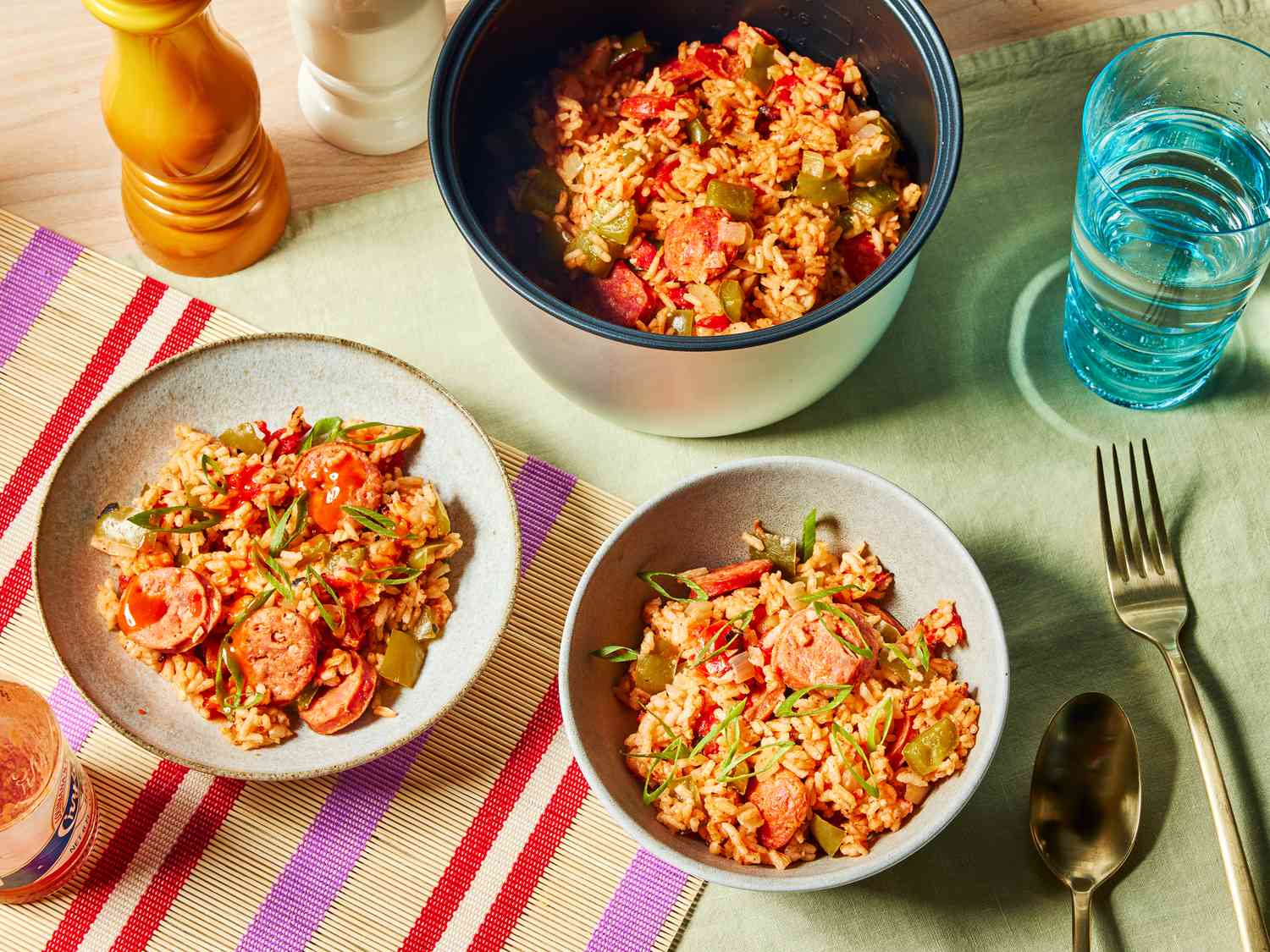
A recipe is more than just a set of instructions; it is a blueprint, a guide, and often an invitation to explore the vast and vibrant world of food. It carries with it not only the ingredients and steps required to create a dish but also a rich history, a cultural narrative, and, above all, the potential for personal expression. In kitchens across the world, recipes are passed down through generations, shared amongst friends, and curated by chefs who use them as a canvas to paint their culinary masterpieces. While the concept of recipes may seem straightforward, their true power lies in the way they invite creativity, adaptability, and even innovation.
The Role of Recipes in Culinary Tradition and Innovation
At the core of every great dish lies a recipe. However, recipes are more than rigid formulas; they evolve over time, influenced by new ingredients, changing tastes, and cultural shifts. Traditional recipes, such as the comforting stew passed down in a family, often carry the weight of nostalgia and familial bonds. These recipes may be written down or kept alive through oral tradition, a connection between past and present generations. While these dishes are often beloved for their familiarity and warmth, they also hold space for evolution. The introduction of new spices, seasonal ingredients, or a different technique can transform an old recipe into something refreshingly contemporary.
In contrast, chefs and home cooks alike regularly experiment with recipes to push boundaries. Culinary innovation happens when one dares to deviate from the norm, tweaking a time-tested recipe or blending different culinary traditions. This fusion often results in the creation of new and exciting dishes that surprise the palate. Take, for example, the rise of plant-based versions of classic comfort foods. A traditional meatball recipe may become a plant-based masterpiece, using lentils or chickpeas in place of meat, offering both a nod to tradition and an innovative twist. The ability to modify recipes in this way reflects the dynamic nature of cooking: while some recipes remain timeless, others offer endless opportunities for reinvention.
The Anatomy of a Good Recipe
A good recipe is not just a list of ingredients and instructions—it is a carefully constructed piece of writing that guides the cook step by step. The clarity of the recipe, the precision of the instructions, and the organization of the ingredients all contribute to the success of the dish. A well-written recipe provides the right balance between structure and flexibility, ensuring that the cook can follow it easily while still feeling empowered to make adjustments.
First, a good recipe begins with a clear and precise list of ingredients. This is the foundation upon which the dish will be built. The ingredients should be listed in the order they are used, and measurements should be specific and standardized. For example, instead of simply writing “salt,” a more precise instruction would be “1 teaspoon of sea salt.” This level of detail ensures that there is no ambiguity in the recipe, allowing the cook to recreate the dish accurately.
Next, the instructions should be written in a logical, sequential order, guiding the cook through the process step by step. A well-written recipe considers timing, sequencing, and techniques. For example, if a dish requires sautéing onions and garlic before adding other ingredients, this should be clearly stated. The recipe should also take into account any special techniques or tips that could make the dish easier to execute, such as “be sure to stir constantly to prevent burning” or “let the dough rest for 30 minutes before baking to achieve the best texture.”
Moreover, a great recipe often includes a section for tips, substitutions, or variations. This adds flexibility and encourages creativity. For instance, “If you don’t have basil, feel free to substitute with oregano for a slightly different flavor,” or “For a spicier kick, add a pinch of chili flakes.” These suggestions not only offer room for personal touch but also reflect the diversity of ingredients that may be available to cooks in different parts of the world. Such inclusions empower the cook to make the recipe their own, ensuring that it can be adapted to different tastes or dietary restrictions.
The Power of Simplicity and Complexity in Recipes
One of the greatest joys of cooking is the discovery that some of the most delicious dishes can be made with the simplest ingredients. Recipes that are minimalist in their approach—requiring only a handful of fresh, high-quality ingredients—often highlight the beauty of the ingredients themselves. Take, for example, a recipe for a perfect caprese salad: ripe tomatoes, mozzarella, basil, olive oil, and balsamic vinegar. The elegance of this dish lies in its simplicity and in the harmony of these ingredients coming together. When recipes are pared down to their essence, they allow the natural flavors to shine through.
However, complexity in recipes has its own allure. Some dishes, such as intricate pastries, multi-layered cakes, or deeply flavored stews, require patience and skill. These recipes might involve multiple stages, precise techniques, and various cooking methods that create layers of flavor and texture. The challenge of a more complex recipe is not just in its execution but in its reward—the sense of accomplishment and the pleasure of savoring a dish that has been thoughtfully crafted.
The beauty of recipes is that they cater to all skill levels and preferences. A novice cook might delight in a simple recipe that celebrates fresh ingredients, while an experienced chef may take on a more challenging dish to perfect their technique or explore new flavor combinations. Both approaches are valuable in their own right, as they reflect the versatility and adaptability of cooking as a craft.
Recipes as a Reflection of Culture and Identity
Beyond their technical value, recipes are also a reflection of culture, identity, and heritage. Traditional recipes carry with them the stories of a community, a family, or a nation. In many cultures, food is an expression of love, celebration, and identity, and recipes act as the vessels through which these sentiments are passed down through generations. The ingredients and techniques used in a dish often speak to the history and geography of a place, whether it’s the use of local grains, the influence of colonial trade routes, or the adaptation of a dish based on available resources.
Consider the recipes of Italy, where pasta dishes have evolved to reflect regional ingredients and local customs. A classic Bolognese sauce, for example, may differ slightly depending on whether it is made in the Emilia-Romagna region or elsewhere in the country, but the essence of the recipe remains rooted in tradition. These recipes are a living testament to the connection between food and culture, and they continue to evolve with each generation, incorporating new influences while retaining their roots.
Similarly, recipes are often tied to personal identity. For many home cooks, preparing a dish from their cultural background is an act of preserving and honoring family traditions. It’s a way to stay connected to one’s roots, whether that’s through the making of tamales at Christmas, the creation of a spicy curry passed down from grandparents, or the baking of bread that has been a staple in the family for decades. These recipes become symbols of identity, and preparing them is often an emotional experience, one that connects the cook to a deeper sense of belonging.
The Future of Recipes: Digital and Personalization Trends
As technology advances, recipes are becoming more accessible, personalized, and interactive. The internet is teeming with blogs, videos, and apps that allow anyone, anywhere, to learn new recipes and share their own. YouTube channels, Instagram accounts, and cooking apps like AllRecipes or Yummly have revolutionized the way we interact with recipes, making them not only more visually appealing but also more customizable to individual needs. The future of recipes, therefore, will likely involve even more personalization—catered to dietary preferences, available ingredients, and even the cook’s skill level.
Artificial intelligence is beginning to play a role in recipe creation as well. Apps powered by AI can suggest recipes based on the ingredients you have on hand, offering ideas for meals that you may never have considered. Furthermore, AI can help with recipe scaling, adjusting measurements based on the number of servings you need, or even suggesting ingredient swaps for those with specific dietary restrictions.
Conclusion: Recipes as Living, Breathing Documents
Ultimately, recipes are much more than just a set of instructions—they are living documents that capture the essence of tradition, creativity, culture, and personal identity. They bridge the gap between the professional chef and the home cook, offering guidance, inspiration, and a sense of connection to the past and the future. Whether simple or complex, traditional or innovative, recipes continue to shape the way we experience food, and their evolution mirrors the ever-changing landscape of cooking itself. By following a recipe, we not only create something delicious but also become part of a larger narrative that celebrates the shared love of food across the world.
